- info@ulb.com.tr
- +90 262 526 00 08
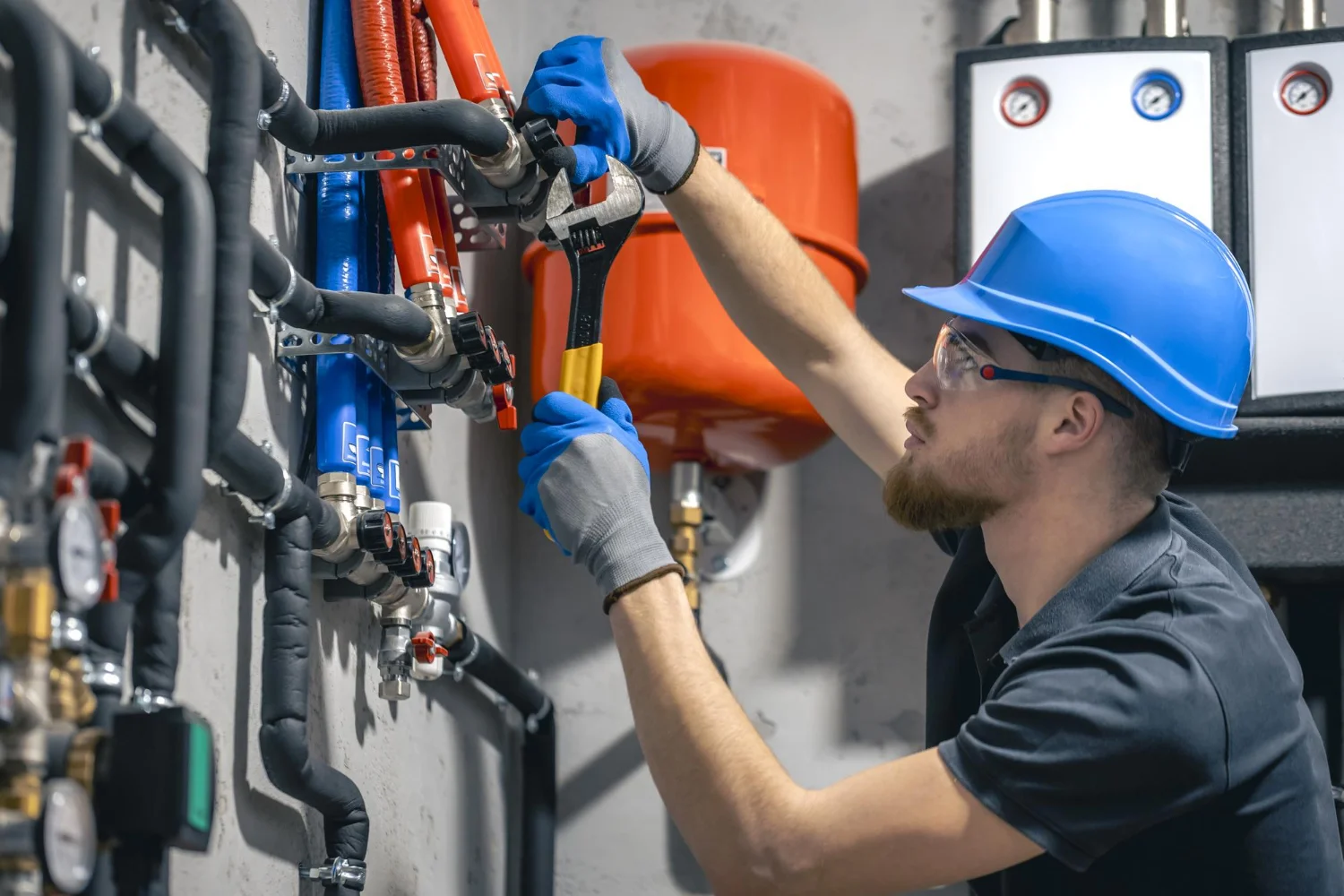
Industrial piping systems are mechanical infrastructures that ensure the safe transport of water, steam, gas, chemical fluids, compressed air, and other process fluids in production facilities.
These systems play a critical role in terms of the continuity of production processes and operational safety.
Since each facility's production process is different, piping systems must also be specially designed according to the characteristics of the fluid to be used, the operating pressure, temperature, and environmental conditions.
The success of piping systems does not depend solely on the use of quality materials.
Many engineering details, such as planning pipeline routes, determining pipe diameters, designing support systems, and selecting appropriate fittings, directly affect system performance. Thanks to proper design, pressure losses are reduced, energy efficiency is increased, and maintenance processes are facilitated. At the same time, the risk of possible failures and downtimes is minimized. Piping Systems Used In industrial facilities, carbon steel, stainless steel, galvanized steel, copper, and plastic-based pipe systems are preferred depending on the area of use. Material selection; The chemical composition, temperature, pressure, and operating conditions of the transported fluid determine the material.
Correct material selection ensures the longevity of the system while significantly reducing maintenance costs.
In industrial piping systems, application quality is of great importance in terms of operational safety. Welding processes, leak tests, pressure; Tests and commissioning controls must be carried out in accordance with national and international standards.
Complete execution of quality control processes contributes to the safe and efficient operation of systems for many years.
Interdisciplinary coordination is of great importance in industrial piping projects.
Piping infrastructures designed to be compatible with mechanical, electrical, and automation systems support the uninterrupted continuation of production processes. Systems planned and implemented by experienced engineering teams contribute to optimizing investment costs, increasing operational efficiency, and maintaining long-term performance. Conclusion Industrial piping systems are one of the fundamental building blocks of modern production facilities. It is possible to create safe, efficient, and long-lasting installations through accurate engineering calculations, quality material selection, and professional application processes. Therefore, piping systems play a critical role in the success of every industrial investment.

 en
en tr
tr